Why Not Results – Podcast Studio in Phoenix

How to Build a Live Selling System for Product Businesses

Live selling can help product-based businesses educate customers, create excitement, and sell products in real time. But going live without a system can create confusion for the team and the audience.

A strong live selling system helps the business plan what products to promote, prepare the message, manage the live stream, follow up with customers, and repurpose the content after the broadcast ends.

The goal is not just to go live. The goal is to create a repeatable sales and content workflow that supports the business before, during, and after each live session.

Quick Answer

A live selling system helps product-based businesses plan, promote, manage, and repurpose live video content. Before going live, the business should know what products are ready, what message needs to be shared, how the live stream will be supported, and how the content will be reused afterward. Once the workflow is clear, automation can help organize follow-ups, campaigns, and content tasks.

What Is a Live Selling System?

A live selling system is a repeatable process that helps a product-based business prepare products, plan the live presentation, promote the event, manage customer questions, handle orders, follow up with interested buyers, and repurpose the live stream into future marketing content.

Instead of treating live selling as a one-time broadcast, a system turns each session into a complete sales and content workflow. This helps businesses stay organized before, during, and after the live event.

Why Live Selling Needs a System

Live selling can be a powerful way to educate customers and sell products in real time.
But going live without a system can create confusion.
The business needs to know what products are available, who is managing the stream, what the talking points are, and what should happen after the live session ends.
A strong live selling system turns the live stream into more than a one-time broadcast. It becomes a repeatable process for sales, content creation, customer education, and follow-up.

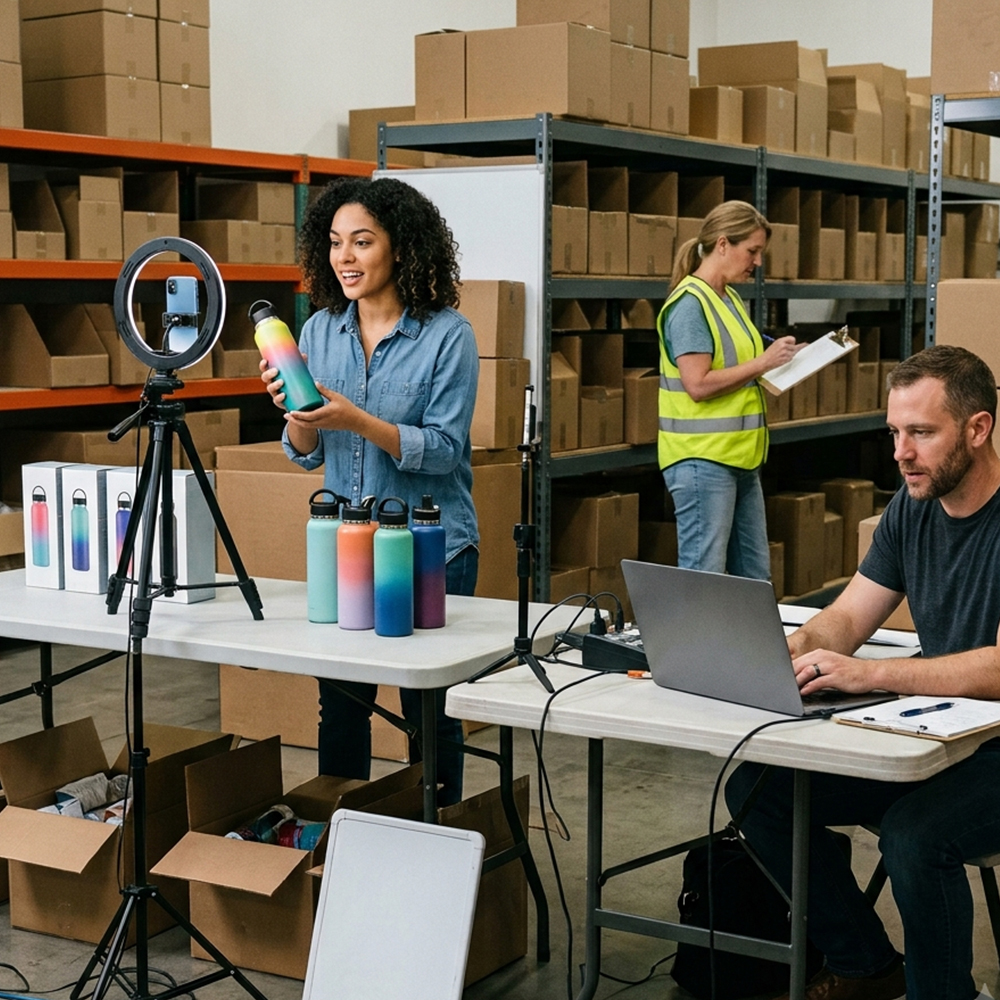
Live selling workflow for product-based businesses

Live Selling Is More Than Turning on the Camera

A live stream may look simple from the outside, but a lot needs to happen behind the scenes.

The business needs to prepare the product, explain the offer, answer customer questions, manage orders, track interest, and decide what content should be reused afterward.

Without a system, the team may miss important steps before or after the live session.

A Repeatable System Makes Live Selling Easier to Scale

When a business has a repeatable live selling system, each live session becomes easier to manage. The team can follow the same basic structure each time:
  • Choose the products
  • Confirm product readiness
  • Plan the message
  • Promote the live session
  • Manage the stream
  • Capture customer questions
  • Follow up after the live
  • Repurpose the strongest content
This makes live selling easier to repeat and improve.

What Products Are Ready?

The team should know which products are finished, available, and ready for promotion.
This includes knowing the product names, pricing, available quantity, variations, photos, descriptions, packaging, and delivery or pickup process.
A product should be ready before it is pushed heavily during a live selling campaign.

What Products Need More Preparation?

Some products may need manufacturing, packaging, photography, pricing, descriptions, or inventory confirmation before they are ready for a live audience.
If a product is not ready, the team should decide whether to hold it for a future live session or mention it only as an upcoming release.
This helps prevent confusion and keeps the customer experience stronger.

What Happens After a Sale?

The team should understand fulfillment, customer communication, and follow-up before pushing more traffic.

That means knowing:

  1. How orders will be tracked
  2. Who will respond to customers
  3. How payment will be handled
  4. How pickup, delivery, or shipping will work
  5. How customers will receive confirmation
  6. What follow-up message should be sent
  7. How future offers will be promoted

A live selling system should support both the sale and the customer experience after the sale.

Why Product Readiness Comes First

Before a business promotes products through live selling, it needs to understand what is actually ready to sell.

If the business sells too quickly without enough finished product, the team may struggle to keep up with demand. Product readiness matters because live selling can create attention fast.

A clear system should answer what products are ready, what products still need preparation, and what happens after a sale.

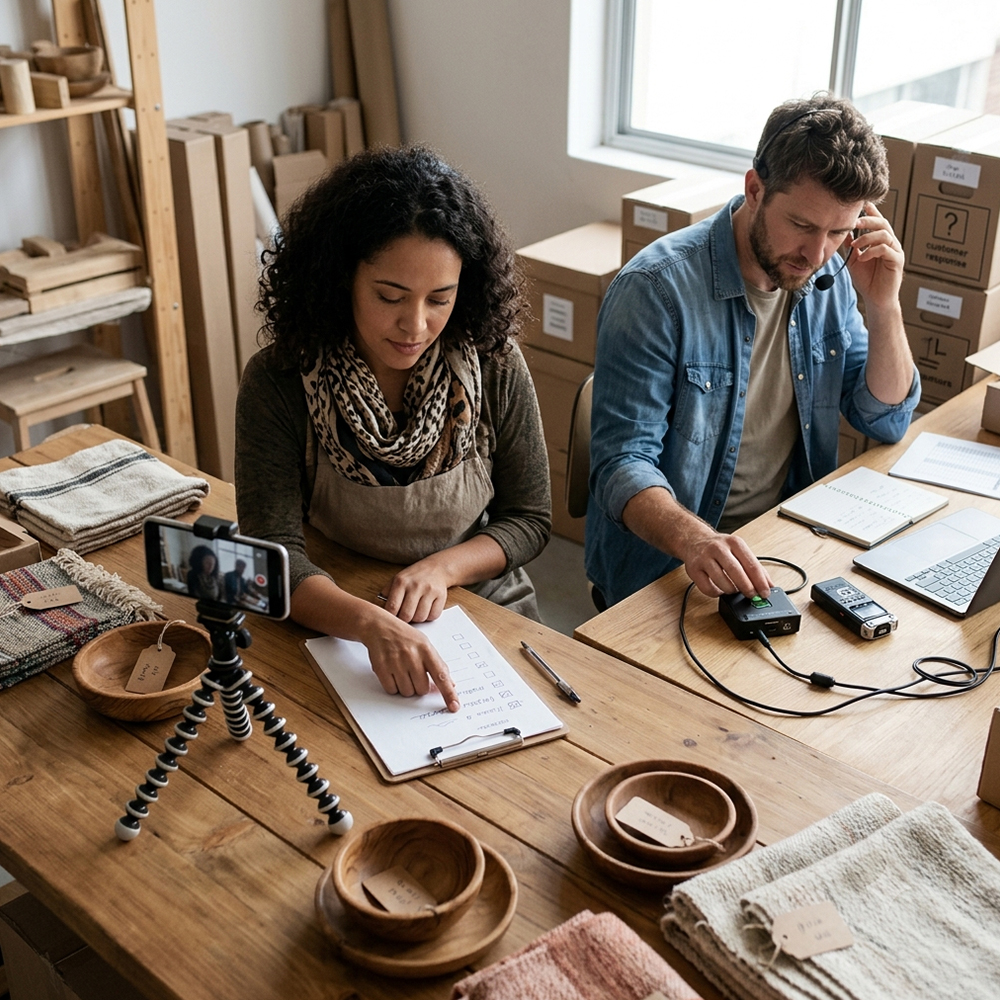
Business team planning live stream product promotion and content repurposing

Live Selling System Checklist for Product-Based Businesses

A strong live selling system should include these core pieces:

  • Product readiness: Confirm products, pricing, inventory, and offers before going live.
  • Live stream plan: Prepare talking points, product order, timing, and key selling messages.
  • Promotion plan: Announce the live session through social media, email, SMS, and short-form content.
  • Customer engagement: Prepare answers for common product questions and buying objections.
  • Order process: Make it easy for customers to buy during or immediately after the live session.
  • Follow-up workflow: Contact interested viewers who asked questions, commented, or did not finish purchasing.
  • Content repurposing plan: Turn the live session into short videos, product clips, captions, emails, and social posts.
  • Automation support: Use tools to organize leads, follow-ups, reminders, and customer communication.

Parts of a Live Selling System and Why They Matter

Part of the System Why It Matters
Product readiness Prevents confusion around pricing, inventory, product details, and fulfillment.
Live stream planning Keeps the presentation organized, clear, and easier for customers to follow.
Customer engagement Helps the business answer questions, build trust, and respond to buyer objections in real time.
Order handling Makes the buying process easier during and after the live selling session.
Follow-up Helps recover interested customers who asked questions, commented, or did not complete a purchase.
Content repurposing Turns one live selling session into multiple videos, captions, social posts, emails, and product highlights.
Automation Supports reminders, lead tracking, customer follow-up, and repeatable workflows.

How Content Supports Live Selling

Live selling should not end when the broadcast ends.

A single live session can become several pieces of content, including short-form video clips, product education posts, carousel content, frequently asked questions, email content, blog ideas, and sales follow-up material.

This is why recording and reviewing live sessions is important. The strongest moments can be repurposed into content that keeps working after the live stream is over.

One Live Stream Can Become Multiple Content Assets​

A live session may include product demonstrations, customer questions, behind-the-scenes explanations, founder stories, product education, and sales moments.

Those moments can be turned into:

  • Short-form video clips
  • Product feature posts
  • Carousel posts
  • FAQ content
  • Email newsletters
  • Blog ideas
  • Website product descriptions
  • Sales follow-up content
  • Testimonial-style clips
  • Future live selling promos

This helps the business get more value from each live session.

Repurposed Content Keeps the Product Visible

Not every customer will watch the live stream in real time.

Repurposed content helps the business keep promoting the product after the broadcast ends. A strong product explanation from the live session can become a short video. A customer question can become an FAQ. A product demonstration can become a social post.

This keeps the product visible across platforms.

Why Workflow Clarity Matters

Live selling involves more than the person on camera.

It may include product preparation, scheduling, video setup, audio, customer questions, order handling, content clipping, and follow-up campaigns.

Without a clear workflow, important tasks can get missed.

A simple workflow helps the team understand what needs to happen before, during, and after each live session.

Before the Live Session

Before the Live Session

Before going live, the team should prepare the products, talking points, schedule, promotional content, camera setup, audio setup, order process, and customer response process.

This step helps the live session feel organized instead of rushed.

A simple pre-live checklist can include:

  1. Product list
  2. Pricing
  3. Inventory
  4. Product talking points
  5. Live stream date and time
  6. Promotional post
  7. Camera and audio check
  8. Order instructions
  9. Customer question process
  10. Follow-up plan

During the Live Session

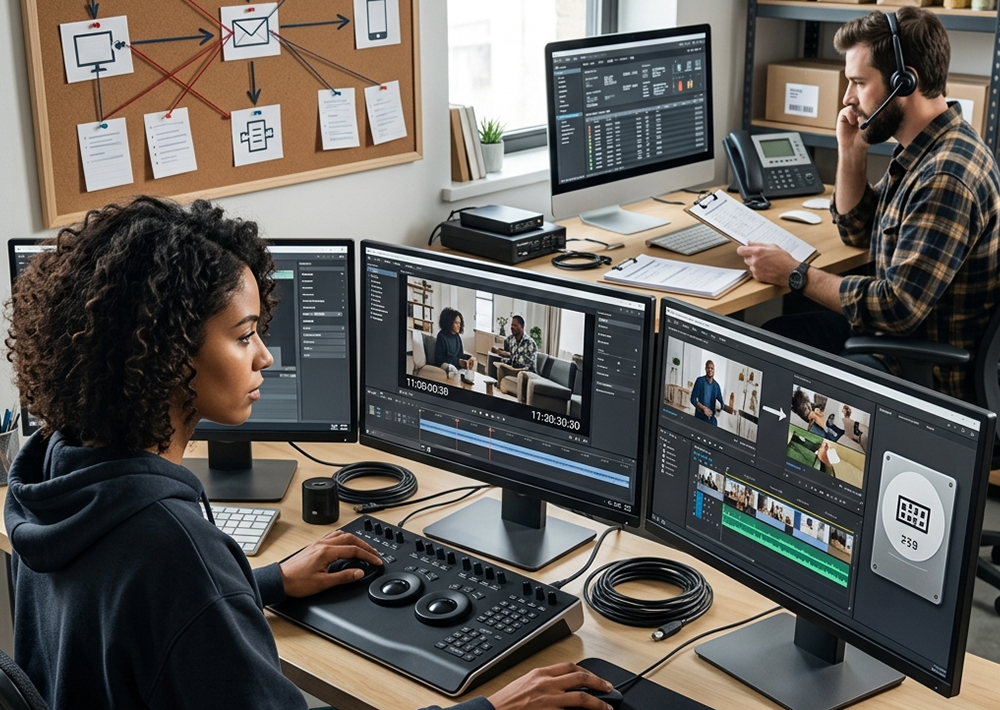
Product selling system with live video, customer engagement, and automation support

During the live session, the team should focus on clear product education, customer engagement, and order handling.
The person on camera should know the main talking points, while someone else may help monitor comments, questions, and customer interest.
This keeps the live stream organized and easier to manage.

After the Live Session

After the Live Session After the live session, the team should follow up with customers, track orders, save the recording, review strong moments, and create repurposed content. This is where many businesses miss opportunities. The live stream should become part of the larger content and sales system, not disappear after the broadcast ends.

After the live session, the team should follow up with customers, track orders, save the recording, review strong moments, and create repurposed content.
This is where many businesses miss opportunities.
The live stream should become part of the larger content and sales system, not disappear after the broadcast ends.

How Automation Helps the Back End

Automation can support live selling by helping teams organize repetitive tasks.
For example, automation can help with campaign review, follow-up reminders, email workflows, content tracking, and internal communication.

The goal is not to make the system complicated.

The goal is to reduce manual work so the team can focus on selling, creating content, and improving the customer experience.

Automation Can Help With Follow-Up

After a live selling session, there may be customers who asked questions, showed interest, commented, clicked, or purchased.
Automation can help organize follow-up reminders, email sequences, task assignments, or customer messages.
This helps the business stay consistent without relying only on memory.

Automation Can Help Track Content Tasks

A live session can create many content opportunities.
Automation can help the team track which clips need editing, which posts need captions, which emails need writing, and which product questions should become FAQs.
This makes repurposing easier to manage.

Automation Should Support a Clear Workflow

Automation works best when the workflow is already clear.
If the team does not know what should happen after the live session, automation may only create more confusion. The process should be simple first, then automation can help move tasks, send reminders, and organize follow-up.

Frequently Asked Questions

A live selling system is a repeatable workflow that helps product-based businesses plan, promote, manage, and repurpose live video content. It includes product readiness, talking points, customer engagement, order handling, follow-up, and content repurposing.
Product readiness matters because live selling can create attention quickly. If the products are not finished, priced, packaged, described, or ready for fulfillment, the business may struggle to keep up with customer interest.
One live selling session can become short-form clips, product education posts, carousel content, FAQs, email content, blog ideas, sales follow-up material, and future promotional content.
Automation can help with follow-up reminders, campaign review, email workflows, content tracking, task assignments, and internal communication. It reduces manual work so the team can focus on selling and improving the customer experience.
Before going live, a business should confirm product readiness, prepare talking points, promote the session, check video and audio setup, define the order process, assign team roles, and create a follow-up plan.

Build a Live Selling System With Why Not Results

Live selling works best when the business builds the system first. Before going live more often, product-based businesses should clarify their product readiness, content plan, workflow, and follow-up process. Once the foundation is clear, live selling can become more than a broadcast. It can become a repeatable content and sales system. Want to turn business conversations, live streams, and internal workflows into marketing content?

For product-based businesses in Phoenix, Arizona, and across the Southwest, live selling can become more effective when the business has a repeatable content, follow-up, and repurposing workflow. Why Not Results helps businesses turn live conversations, product demonstrations, and customer questions into usable marketing content.

Ready to build a simpler content system? Visit https://whynotresults.com/ or call +1-602-851-4104. Contact: Mario Lizarraga. Reviewed by: Why Not Results Editorial Team

LATEST EPISODES

SEO and Organic Social Media
05Mar

SEO and Organic Social Media

Confused by digital marketing? This guide breaks down SEO, paid search, organic social, and paid traffic. Learn when to use each channel and plan your budget.

Geofencing + AI Ad Tracking for Service Businesses (Podcast)
12Feb

Geofencing + AI Ad Tracking for Service Businesses (Podcast)

Learn how geofencing builds high-intent audiences and how AI + UTMs, GA4, and Search Console improve attribution, calls, and qualified leads.
Sales and Marketing Conversion
04Feb

Sales and Marketing Conversion

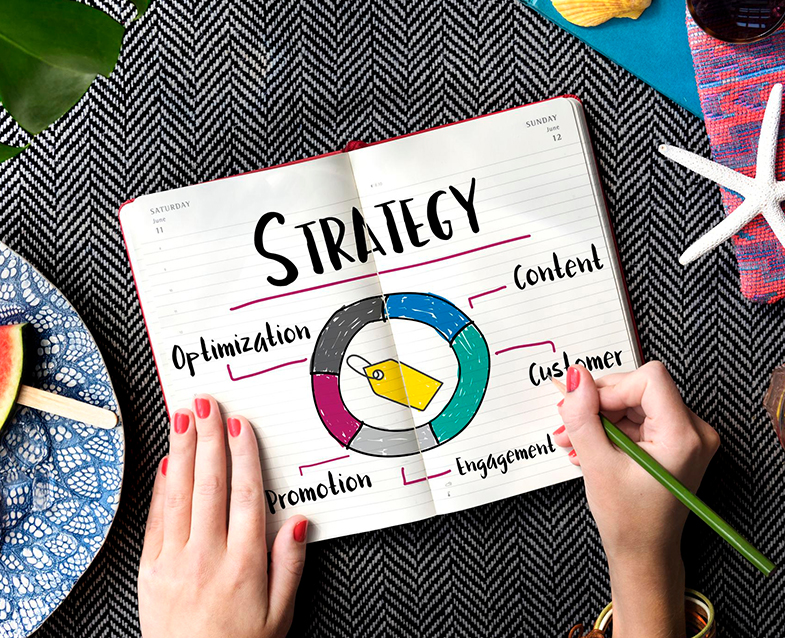
Comparing SEO, SEM, and DSP advertising shows distinct benefits for lead generation and marketing strategy, with each offering unique advantages in search engine optimization, paid search, and programmatic ad buying.…
SEO vs SEM vs DSP Advertising
18Dec

SEO vs SEM vs DSP Advertising

Comparing SEO, SEM, and DSP advertising shows distinct benefits for lead generation and marketing strategy, with each offering unique advantages in search engine optimization, paid search, and programmatic ad buying.…
YouTube Analytics and Audience Retention
15Dec

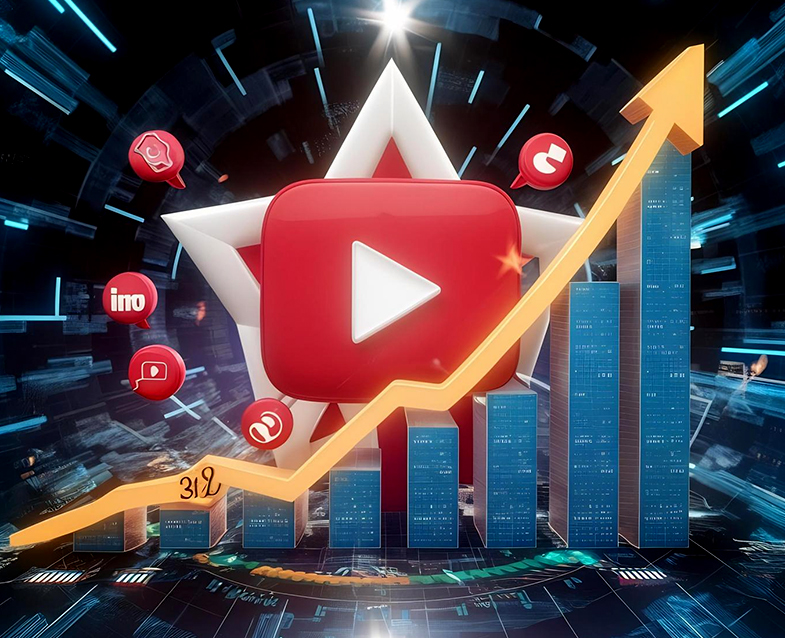
YouTube Analytics and Audience Retention

YouTube analytics and audience retention are key to understanding how viewers interact with your content. By measuring key moments and retention rates, you can improve viewer engagement and build a…
Social Media Analytics and Why Your Social Media Needs a Coach for Better Engagement
05Nov

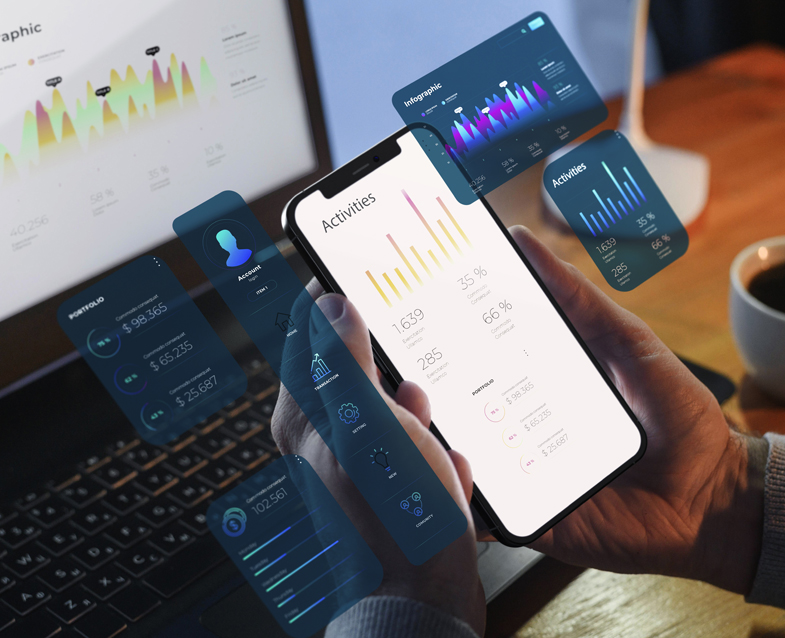
Social Media Analytics and Why Your Social Media Needs a Coach for Better Engagement

Social media analytics and expert coaching are key to boosting your brand’s growth and engagement. Learn how professional social media coaches help you interpret data, refine strategies, and make well-informed…