Why Not Results – Podcast Studio in Phoenix

From Plan to Action

Building Your Digital Presence and Business Strategy

Welcome to a journey of transformation. Whether you’re navigating the complexities of launching a new business or enhancing your digital footprint, this guide is tailored to help you turn scattered thoughts into a cohesive and actionable plan. From understanding the importance of content creation to leveraging tools for digital marketing, we’ll walk through actionable steps to set you up for success.

Curt Brugman

Curt Brugman

Building Your Digital Presence and Business Plan Podcast

Embark on a transformative journey designed to simplify the complexities of building your business and enhancing your digital presence. Whether you're launching a new venture or refining your online footprint, this guide is crafted to help you turn scattered ideas into a clear, actionable strategy. From mastering content creation to harnessing the power of digital marketing tools, you'll discover practical steps to set the stage for success. Every thriving business starts with a well-thought-out plan, but traditional approaches often feel rigid and outdated for startups and small businesses. Here, we focus on crafting a dynamic digital strategy that grows and adapts with your evolving goals.

Play Now

LATEST EPISODES

Sales and Marketing Conversion
04Feb

Sales and Marketing Conversion

Comparing SEO, SEM, and DSP advertising shows distinct benefits for lead generation and marketing strategy, with each offering unique advantages in search engine optimization, paid search, and programmatic ad buying.…
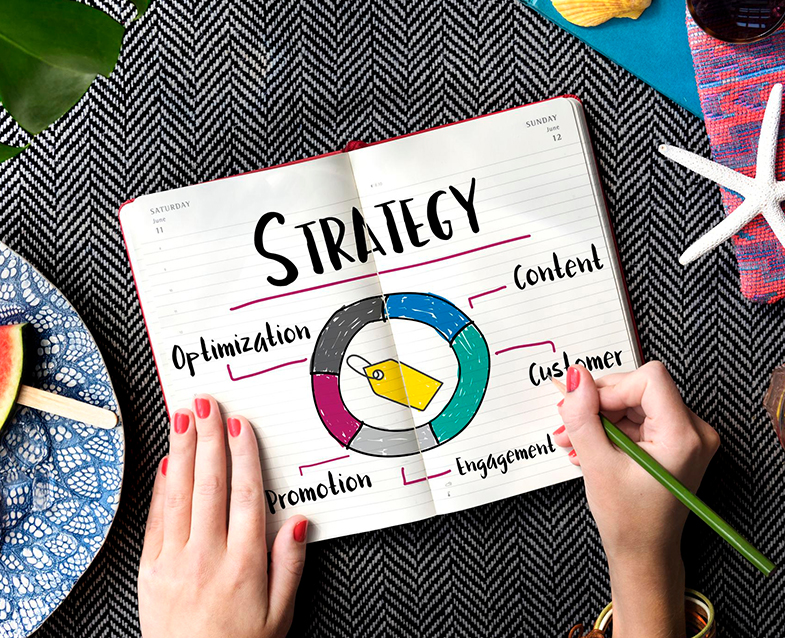
SEO vs SEM vs DSP Advertising
18Dec

SEO vs SEM vs DSP Advertising

Comparing SEO, SEM, and DSP advertising shows distinct benefits for lead generation and marketing strategy, with each offering unique advantages in search engine optimization, paid search, and programmatic ad buying.…

YouTube Analytics and Audience Retention
15Dec

YouTube Analytics and Audience Retention

YouTube analytics and audience retention are key to understanding how viewers interact with your content. By measuring key moments and retention rates, you can improve viewer engagement and build a…

Social Media Analytics and Why Your Social Media Needs a Coach for Better Engagement
05Nov

Social Media Analytics and Why Your Social Media Needs a Coach for Better Engagement

Social media analytics and expert coaching are key to boosting your brand’s growth and engagement. Learn how professional social media coaches help you interpret data, refine strategies, and make well-informed…

Dominate Local Search
04Nov

Dominate Local Search

Get real answers on Google Local Services Ads (LSA), Google My Business (GMB), and Google Ads with Mario Luis Braga and Lynn Melcher from Digital Agency Support. Discussing proven strategies,…

Instagram Growth Strategy and Organic Social Media for Insurance Agents
03Oct

Instagram Growth Strategy and Organic Social Media for Insurance Agents

Instagram growth strategy is essential for insurance agents seeking organic social media success. Implement proven Facebook marketing techniques and content pillars to boost engagement, increase visibility, and generate quality insurance…

From Plan to Action | Main Points

The Evolution of Video and Social Media

1. The Importance of Planning

  • A structured plan (business, marketing, or digital) is essential for startups and small businesses.
  • Large companies have resources (e.g., marketing directors), but small businesses need to prioritize effectively.
  • Traditional business plans are outdated for many; instead, a digital roadmap is more actionable and adaptable.

2. Building Digital Infrastructure

  • A digital plan should focus on:
    • Key assets like eBooks, courses, or webinars.
    • Mapping out steps to prioritize based on time and cost-efficiency.
  • Tools like Monday.com help track tasks, progress, and ownership within a team.

3. Creating Content

  • Consistent and compelling content creation is vital:
    • Start with short-form content (e.g., social media shorts).
    • Build a content library to avoid the pressure of daily creation.
  • Content doesn’t have to be overly polished. Authenticity often resonates more.

4. Leveraging Video Sales Letters (VSLs) and Lead Magnets

  • VSLs can explain solutions to audience pain points but may be premature without a following.
  • Lead magnets like online courses or gated content (behind email logins) help gather leads and track engagement.
Approaches to Creating Authentic Content
Social Media Trends

5. Social Media Presence

  • Core platforms to start with: Facebook, Instagram, YouTube, and TikTok.
  • Consider niche or conservative platforms (e.g., Parler, Rumble) depending on the audience.
  • Engage with Facebook Groups related to the niche for networking and visibility.

6. Podcasts as a Strategic Tool

  • Podcasts provide long-form content to establish credibility and generate social media clips (e.g., 5-20 short clips per episode).
  • They allow a conversational approach that is easier to produce and connects more deeply with the audience.

7. Importance of Branding and Professionalism

  • Ensure consistency across platforms:
    • Align social media branding with the website and other assets.
    • Avoid rookie mistakes (e.g., using a Gmail address instead of a domain-branded email).

8. Research and Benchmarking

  • Study competitors and industry leaders to:
    • Understand their social media strategy.
    • Learn what content resonates with their audience.

9. Managing Tools and Processes

  • Utilize tools for automation:
    • Social media syndication to post across multiple platforms simultaneously.
    • CRMs to manage client relationships and automate follow-ups.
Approaches to Creating Authentic Content

Supplementary Points

  1. Content Topics to Explore:
    • Differences between spirituality and organized religion.
    • How-to guides (e.g., “How to Love Your Neighbor”).
    • Personal anecdotes to build relatability.
  2. Follower Growth Strategy:
    • Set realistic follower goals based on niche research.
    • Focus on engagement (comments, shares) rather than raw numbers.
  3. Monetization Options:
    • Beyond coaching and courses, explore revenue from:
      • Sponsored content.
      • YouTube ad revenue.
      • Affiliate marketing for complementary products.
  4. Efficiency Hacks:
    • Start small with 3-4 social platforms.
    • Outsource editing and posting tasks to focus on content creation.

Priority Action Steps

  1. Develop a Basic Website:
    • Include branded email, introductory information, and a lead magnet.
  2. Create Social Media Accounts:
    • Ensure consistency in branding and set up accounts on core platforms.
  3. Start Content Creation:
    • Focus on building a library of short, authentic clips.
    • Leverage raw videos with basic edits (e.g., captions) for engagement.
  4. Experiment with a Podcast:
    • Record initial episodes to explore long-form content.
    • Use the podcast to generate short-form clips for social media.

Summary

In this blog, we explore the key steps and strategies for small businesses and startups to build a strong digital presence. The focus is on creating a structured digital roadmap to replace outdated traditional business plans, leveraging tools and processes to streamline operations, and prioritizing tasks based on time and cost efficiency.

The importance of consistent content creation is highlighted, starting with short-form social media posts and progressing to podcasts for long-form storytelling. Strategic branding and professionalism across platforms are essential to build trust and credibility with the audience.

Social media plays a critical role, with platforms like Facebook, Instagram, YouTube, and TikTok being foundational. Niche platforms like Rumble and Parler may also be useful depending on the audience. The blog emphasizes the need to research competitors, benchmark strategies, and focus on engagement rather than raw follower numbers.

Finally, monetization opportunities like sponsored content, YouTube ad revenue, and affiliate marketing are explored, along with actionable steps to start creating content, develop a website, and set up social media accounts. By prioritizing authenticity, leveraging tools for automation, and consistently refining their approach, small business owners can establish a compelling digital presence that drives growth and engagement.