Why Not Results – Podcast Studio in Phoenix

How Recorded Business Conversations Can Power AI, Marketing, and Client Reports

Most businesses create valuable knowledge every day through client calls, sales meetings, internal discussions, training conversations, strategy sessions, and project updates.

The problem is that much of this knowledge disappears when the conversation ends.

Recorded business conversations can change that. When conversations are recorded, transcribed, organized, and reviewed, they can become content, client reports, SOPs, follow-up emails, training material, and internal AI knowledge systems.

Quick Answer

Recorded business conversations can help companies create content, reports, SOPs, follow-up emails, training material, and internal AI knowledge systems. When calls and meetings are transcribed and organized, AI can help identify key points, summarize decisions, extract content ideas, and make the company’s knowledge easier to reuse.

Why Business Conversations Are Valuable

Most businesses create useful information every day without realizing it. Important ideas often happen during:
  • Client calls
  • Sales meetings
  • Internal team discussions
  • Strategy sessions
  • Project updates
  • Training conversations
  • Follow-up calls
These conversations often include the exact questions customers are asking, the problems the team is solving, and the explanations the business gives over and over again. The issue is that most of this information disappears when the meeting ends. Recording and organizing these conversations creates a way to preserve that knowledge.
Why Business Conversations Are Valuable

Business Knowledge Often Lives Inside Conversations

Many companies already have the knowledge they need to create better content, improve reporting, train the team, and support sales.

That knowledge is often spoken out loud during meetings, calls, and internal discussions.

When those conversations are not captured, the business has to keep repeating the same explanations manually.

Conversations Reveal What Customers Actually Care About

Customer questions, objections, concerns, and feedback often appear naturally in conversations.

These moments can help the business understand what needs to be explained better through content, sales material, FAQs, website copy, reports, and follow-up emails.

A recorded conversation gives the business a real source of insight instead of relying only on guesswork.

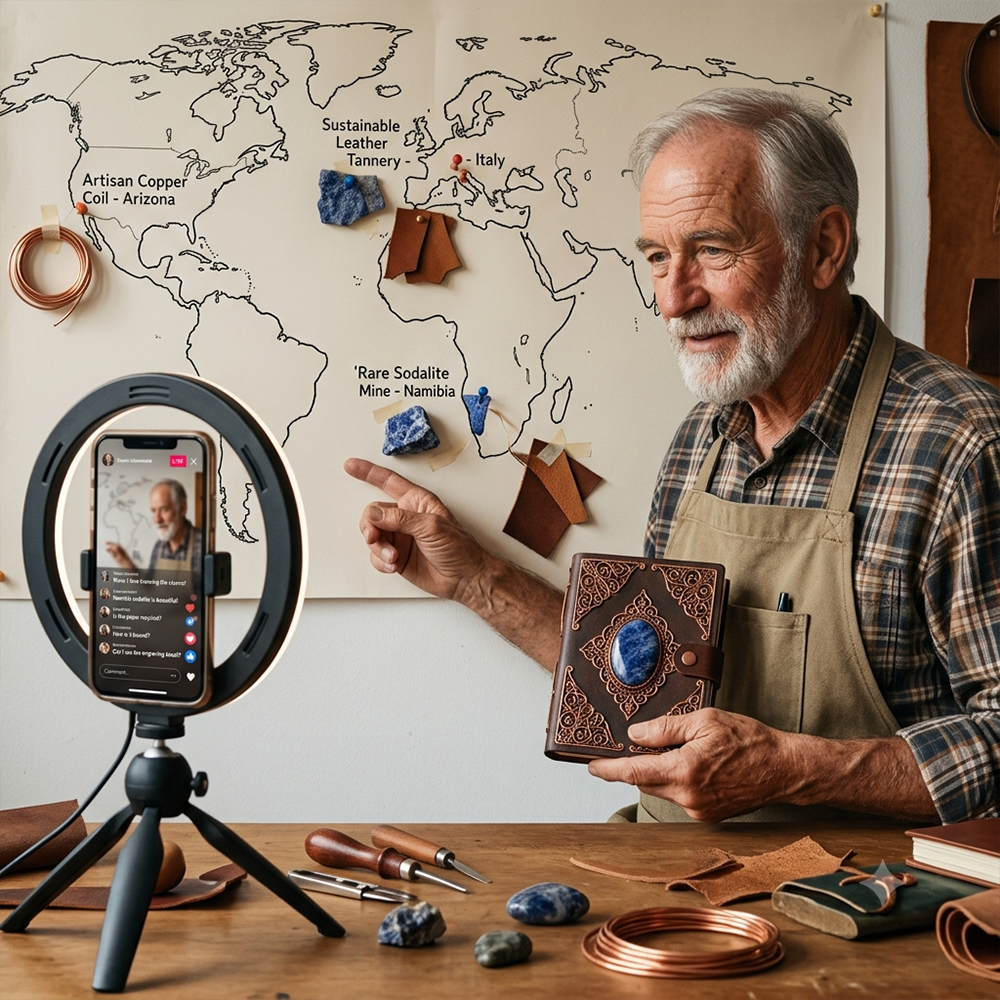
Live Selling Makes the Product Feel More Real

A static product page can show photos, descriptions, and pricing, but live video gives customers a fuller experience.

Customers can see how the product looks in real time, how it moves, how it compares in size, how it catches light, or how it is used.

This helps reduce hesitation because the customer gets more context before buying.

Real-Time Questions Build Confidence

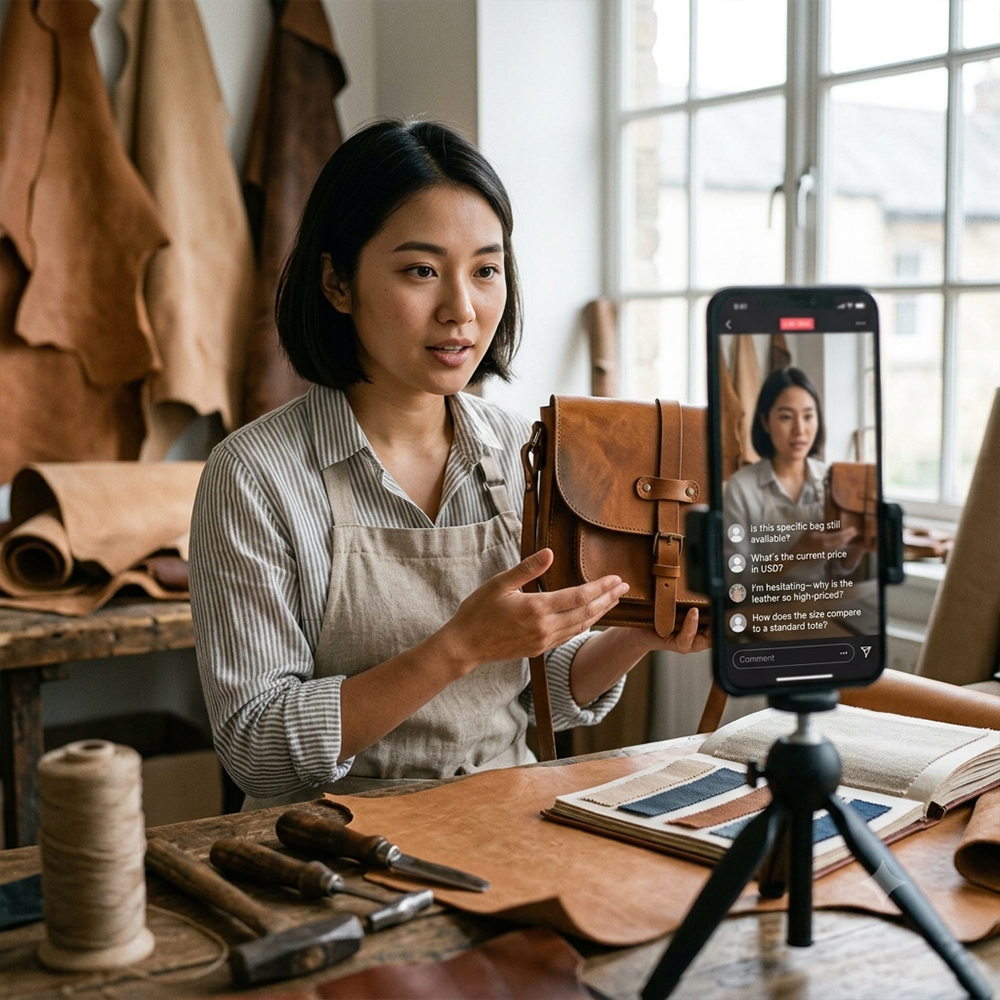
Customers often have questions before they buy.

They may want to know about size, origin, quality, color, fit, availability, shipping, styling, or product care.

Live selling allows the business to answer those questions immediately. That real-time interaction can create more trust and help the customer feel more confident taking action.

Why Live Selling Creates a Stronger Customer Connection

Live selling works because it creates a human connection.

A customer can see the product, hear the story, ask questions, and make a decision in real time. This is especially powerful for products that have craftsmanship, sourcing, scarcity, visual detail, or a deeper story behind them.

For jewelry, fashion, handmade goods, collectibles, specialty products, and high-value items, live selling can create a stronger buying experience than a static product page.

The customer is not just looking at an item. They are participating in the story.

How Product Storytelling Builds Trust

How Product Storytelling Builds Trust

Product storytelling is one of the strongest advantages of live selling.

A product business can explain where the product comes from, why it is different, how it should be used or worn, and why the customer should trust the seller.

Customers often need more than a photo and a price. They need context.

Where the Product Comes From

Customers often want to know the origin of a product, especially when the material, maker, or source affects its value.

For example, the origin of a product may help explain its rarity, quality, craftsmanship, cultural meaning, sourcing process, or price.

Live selling gives the business a chance to explain that origin in a natural and engaging way.

Why the Product Is Different

Live video allows the seller to explain quality, design, rarity, process, and details that may not be obvious in a photo.

A product may look similar to others online, but the story behind the material, craftsmanship, design, or sourcing may make it more valuable.

Explaining those details helps customers understand why the product matters.

How the Product Should Be Used or Worn

For jewelry, apparel, accessories, and lifestyle products, live selling makes it easier to show scale, fit, styling, and real-life use.

The seller can show how a product looks in hand, how it pairs with other items, how it fits into a customer’s lifestyle, or how it can be worn or displayed.

This helps customers imagine owning the product.

Why the Customer Should Trust the Seller

Authority is built through education.

The more clearly a business explains the product, the easier it becomes for customers to trust the brand.

When the seller can answer questions, explain details, and show expertise live, the customer gets more confidence in both the product and the business.

Why Comments Can Become a Content Strategy

One of the most valuable parts of social media is the comment section.

Comments reveal what people are confused about, what they disagree with, what they want to learn, and what they might buy.

For a product business, comments can become:

  1. Short-form video ideas
  2. Live selling topics
  3. FAQ content
  4. Blog sections
  5. Product page copy
  6. Email content
  7. Sales objections to address

Instead of guessing what the audience wants, the business can use real audience questions to guide future content.

This creates a feedback loop.

The business posts content. The audience responds. The response becomes the next piece of content. The next piece of content builds more trust.

Comments Reveal What Customers Want to Know

Comments Reveal What Customers Want to Know

Customer questions are content opportunities.

If people keep asking about product origin, pricing, materials, quality, size, styling, shipping, or availability, those questions should become future content.

This helps the business create content based on real demand instead of guessing.

Comments Reveal Buying Signals and Objections

Comments Reveal Buying Signals and Objections

Some comments show interest. Others show hesitation.

A customer may ask if a product is still available, how much it costs, how to buy, why it is priced a certain way, or how it compares to another option.

These comments reveal what the business needs to explain better.

Comments Can Guide Future Live Sessions

A strong comment section can help plan future live selling topics.

If customers keep asking the same questions, the business can build a live session around those questions.

This turns audience engagement into a practical content and sales planning tool.

What a Live Selling System Needs

Going live is easy. Building a live selling system takes more planning.

A strong system should include product readiness, a clear sales flow, comment management, platform strategy, and a repurposing workflow.

The goal is not just to broadcast. The goal is to create a repeatable process that supports sales, content, customer education, and follow-up.

Product Readiness

Before going live, the business needs to know what products are ready, how many are available, how they will be shown, and what information the host needs to explain. Product readiness may include:
  • Product name
  • Price
  • Quantity available
  • Product description
  • Product story
  • Photos or reference videos
  • Packaging details
  • Shipping or pickup information
  • Common customer questions
  • Any limits, variations, or special details
This helps the host present the product clearly and confidently.

A Clear Sales Flow

The team should decide how customers claim products, how payment works, how inventory is updated, and how follow-up happens.

Customers should know exactly what to do if they want to buy.

A clear sales flow may include claim words, comment instructions, payment links, direct messages, checkout steps, order confirmation, shipping details, and follow-up messages.

Comment Management

During a live sale, someone should watch comments, identify buyer questions, track interest, and help the host stay focused.

The host may not be able to present products, answer every question, and manage buyer interest at the same time.

Comment management helps the live session stay organized.

Platform Strategy

Different platforms behave differently.

TikTok may reward educational storytelling and longer watch time. Instagram may require more polished visuals and faster hooks. YouTube may be better for long-term searchable content.

The business should choose the platform based on the product, audience, content style, and sales process.

Repurposing Workflow

Every live session can become more content.

Strong moments can be turned into reels, shorts, carousels, blog sections, product education clips, and emails.

The business should record the live session, review the best moments, and turn those moments into content that continues working after the live sale ends.

Live Selling Builds Authority

Authority comes from helping customers understand what they are buying.

When a business explains the product clearly, answers questions, and educates the audience consistently, customers begin to see the business as a trusted expert.

That trust can support future sales.

Live Selling Helps Test Product Demand

Live selling gives the business immediate feedback.

The team can see which products get attention, which stories create interest, which questions come up, and which offers lead to action.

This helps the business understand customer demand faster.

Live Selling Can Create Repeat Buyers

When customers enjoy the live buying experience, they may return for future sessions.

Repeat buyers can become part of the brand community. They may comment more often, ask questions, share content, and look forward to new product drops.

That creates long-term value beyond one sale.

How Live Selling Supports Long-Term Brand Growth

Live selling is not only a sales tactic. It can also become a brand-building engine.

When a business consistently educates, shows products, answers questions, and tells the story behind the product, it becomes more than a seller.

It becomes a trusted source.

That matters for businesses trying to move from wholesale into direct customer demand.

A strong live selling strategy can help a business:

  1. Build authority
  2. Increase trust
  3. Test products
  4. Learn customer objections
  5. Create repeat buyers
  6. Support multiple brands
  7. Turn content into sales
  8. Reduce reliance on traditional retail channels

Final Takeaway

Live selling works best when it is treated as a system, not just a video.

The businesses that win will not simply go live and hope people buy. They will prepare the product, tell a clear story, manage comments, make buying easy, follow up properly, and reuse the best moments as content.

For product-based businesses, live selling creates a powerful opportunity to build direct demand, educate customers, and capture more of the value they already help create.

Need help turning product stories, live streams, and business conversations into marketing content?

Want help building a smarter website for AI search, local SEO, and lead generation?

Visit https://whynotresults.com/ or call +1-602-851-4104. Contact: Mario Lizarraga.

Reviewed by: Why Not Results Editorial Team

Why Not Results helps businesses improve visibility, content systems, lead capture, automation, AI-supported marketing workflows, and digital strategy. The team focuses on building practical marketing systems that help businesses turn attention into real conversations.

Frequently Asked Questions

Live selling for product businesses is the use of livestream video to show products, explain details, answer questions, and sell directly to customers in real time.
Live selling is useful because it combines product education, storytelling, customer engagement, and sales. It helps customers understand the product better than a static listing alone.
Products with visual detail, craftsmanship, scarcity, styling, demonstration value, or a strong story often work well for live selling. Examples include jewelry, fashion, handmade goods, collectibles, specialty products, and lifestyle items.
Comments reveal customer questions, objections, confusion, interest, and buying signals. Those comments can become future videos, FAQs, product descriptions, live selling topics, emails, and blog content.
A live selling system needs product readiness, a clear sales flow, comment management, platform strategy, follow-up, and a repurposing workflow so each live session can support both sales and future content.

Make Your Website Ready for AI Search With Why Not Results

A modern website should do more than look professional. It should help your business get found, answer customer questions, capture leads, and support follow-up.

Why Not Results helps businesses improve their websites for AI search, local SEO, lead generation, content strategy, CRM integration, and smart follow-up systems.

If your website is not clearly explaining your services, answering customer questions, or capturing leads, it may be time to improve the system behind it.

Want help building a smarter website for AI search, local SEO, and lead generation?

Visit https://whynotresults.com/ or call +1-602-851-4104. Contact: Mario Lizarraga.

Reviewed by: Why Not Results Editorial Team

Why Not Results helps businesses improve visibility, content systems, lead capture, automation, AI-supported marketing workflows, and digital strategy. The team focuses on building practical marketing systems that help businesses turn attention into real conversations.

LATEST EPISODES

SEO and Organic Social Media
05Mar

SEO and Organic Social Media

Confused by digital marketing? This guide breaks down SEO, paid search, organic social, and paid traffic. Learn when to use each channel and plan your budget.

Geofencing + AI Ad Tracking for Service Businesses (Podcast)
12Feb

Geofencing + AI Ad Tracking for Service Businesses (Podcast)

Learn how geofencing builds high-intent audiences and how AI + UTMs, GA4, and Search Console improve attribution, calls, and qualified leads.

Sales and Marketing Conversion
04Feb

Sales and Marketing Conversion

Comparing SEO, SEM, and DSP advertising shows distinct benefits for lead generation and marketing strategy, with each offering unique advantages in search engine optimization, paid search, and programmatic ad buying.…
SEO vs SEM vs DSP Advertising
18Dec

SEO vs SEM vs DSP Advertising

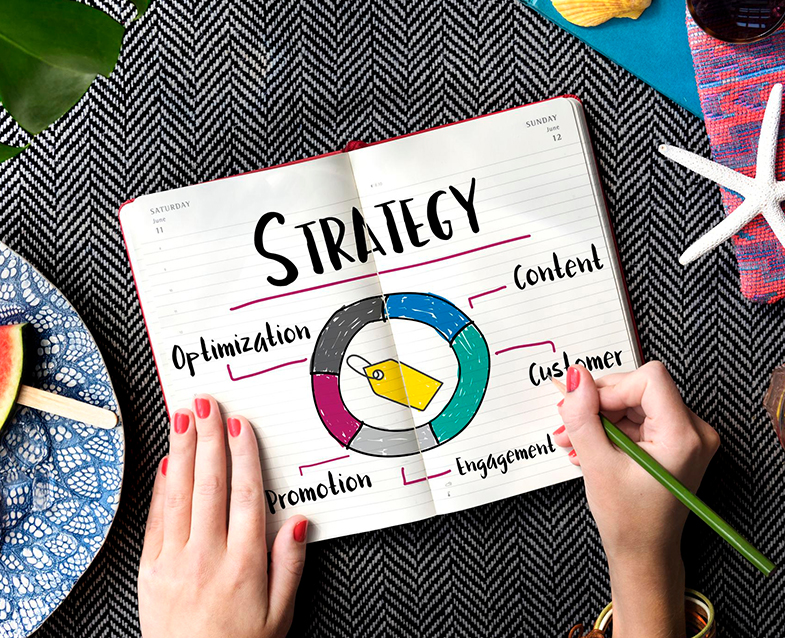
Comparing SEO, SEM, and DSP advertising shows distinct benefits for lead generation and marketing strategy, with each offering unique advantages in search engine optimization, paid search, and programmatic ad buying.…
YouTube Analytics and Audience Retention
15Dec

YouTube Analytics and Audience Retention

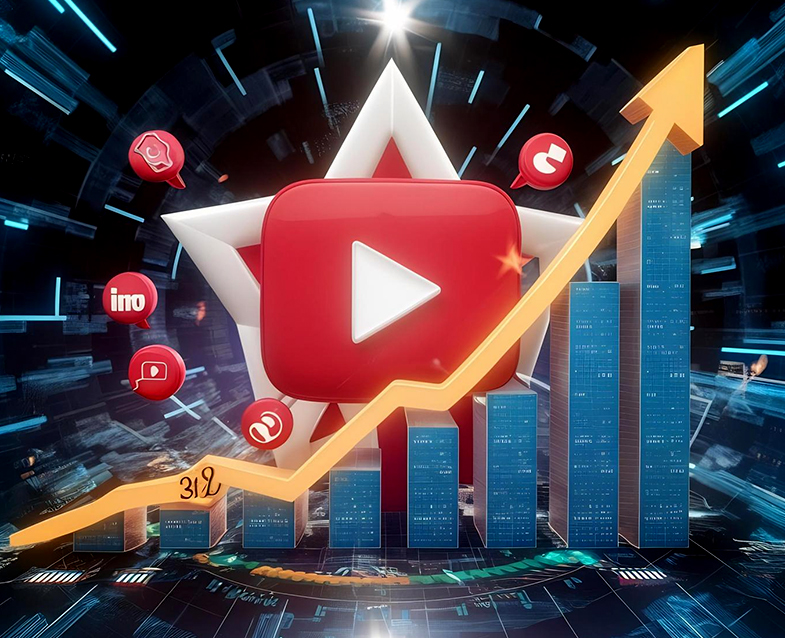
YouTube analytics and audience retention are key to understanding how viewers interact with your content. By measuring key moments and retention rates, you can improve viewer engagement and build a…

Social Media Analytics and Why Your Social Media Needs a Coach for Better Engagement
05Nov

Social Media Analytics and Why Your Social Media Needs a Coach for Better Engagement

Social media analytics and expert coaching are key to boosting your brand’s growth and engagement. Learn how professional social media coaches help you interpret data, refine strategies, and make well-informed…