Why Not Results – Podcast Studio in Phoenix

How Small Business Owners Compete with AI-Driven Giants

E-Commerce, Marketing & Merch Drop shipping

Small business owners can compete with AI-driven giants by focusing on niche positioning, faster execution, authentic brand voice, and smarter systems. In this episode, Olivia Jones explains how small businesses can use AI for marketing, content, and e-commerce operations without trying to out-scale bigger brands. You will learn how to reduce inventory risk, improve visibility, and build a business model that stays flexible as AI changes the market.

Why This Episode Matters

This episode is for small business owners who want to compete with bigger brands using AI, content, and smarter operations. Olivia Jones shares insights from working inside a large corporate marketing environment and explains how smaller brands can move faster, stay authentic, and reduce risk through better business models.
How Small Biz Owners Can Compete with AI-Driven Giants

Quick Answer (60 seconds)

Small businesses can compete with AI-driven giants by using AI for speed, but not trying to out-scale them. Instead, focus on a clear niche, authentic brand voice, and systems that remove cash-flow pressure. For e-commerce, print-on-demand or made-to-order fulfillment can reduce inventory risk, while content and video can build trust and discovery without needing a massive team. AI can generate ideas and accelerate execution, but the human element still matters: story, community, and consistent follow-through. The goal is not to win by volume, but to win by clarity, agility, and a business model that does not collapse under inventory and overhead.

Key Takeaways

  • Small businesses should use AI for speed, not to copy big-brand scale.
  • Niche positioning and authentic messaging help small brands stand out.
  • Made-to-order fulfillment can reduce inventory risk and cash-flow pressure.
  • Simple content systems can improve visibility without a large team.
  • Consistency, clarity, and smart execution matter more than volume.

Key Terms Small Business Owners Should Know About AI, Marketing, and E-Commerce

These are the key terms referenced in the conversation:

  • Paid media: Buying traffic and placements (Google ads, media buying, paid placements).
  • Affiliate marketing: Partnering with publications or creators to feature products in their articles and lists.
  • SEO: Organic visibility that builds over time through content and site authority.
  • E-commerce fulfillment models:
    • Inventory-based: you buy products in bulk, store them, then ship as orders come in.
    • Made-to-order / print-on-demand: products are produced one-by-one only after an order is placed.
  • Tech pack: A product specification package used to produce apparel or product designs.
  • Cash flow risk: Money tied up in inventory, tools, or production that can strain a small business.
  • AI-driven design: Using AI to generate ideas, designs, or variations at speed to match trends.

Helpful internal references:

When Small Businesses Should Use AI, Made-to-Order, or Traditional Inventory

This episode highlights that “competing” is often choosing the right model, not copying big-company scale.

Decision Guide

  • Use made-to-order fulfillment when you want to avoid inventory costs and storage headaches.
  • Use bulk inventory when you have predictable demand, tight timelines, or specialty production requirements.
  • Use AI tools when you need faster iteration on content, product ideas, descriptions, and creative direction.
  • Use video and short-form clips when you want consistent trust-building content without needing a massive team.

Where small businesses can win

  • Faster decisions and faster execution.
  • Community and authenticity.
  • Focused niche products instead of trying to sell “everything to everyone.”

Budget and Timeline Expectations for Small Business AI and E-Commerce Setup

A major theme here is reducing the financial risk that slows small businesses down.

Budget realities

  • Inventory-based stores often require upfront cash for bulk orders, which can create cash flow pressure.
  • Made-to-order stores can reduce startup costs because you are not buying a closet full of sizes and colors.

Timeline realities

  • Made-to-order typically trades speed for simplicity: products can take longer to arrive (example discussed: roughly two weeks), but you avoid warehousing and dead stock.
  • AI can speed up ideation and content output, but the business still needs a consistent process to execute.

How to Build a Small Business System That Competes With Bigger AI-Driven Brands

Use this step-by-step checklist to build a small-business e-commerce system that can compete without massive overhead.
  • Pick a niche and a promise: who you serve and why your product matters.
  • Choose a fulfillment model: inventory vs made-to-order based on cash flow and speed needs.
  • Build your store foundation: product pages, shipping expectations, returns policy, and clear FAQs.
  • Create a small product set first: start simple, then expand based on demand.
  • Use AI for acceleration, not identity: draft descriptions, generate ideas, and test variations, but keep your brand voice human.
  • Create repeatable content: record simple video and turn it into clips to keep visibility consistent.
  • Track what sells: identify what actually drives profit and focus there.
  • Iterate monthly: product lineup, messaging, and content themes evolve as you learn what your audience responds to.

Common Mistakes Small Businesses Make When Competing With AI-Driven Companies

  • Trying to out-scale giants: competing on volume is usually a losing game for small teams.
  • Over-ordering inventory: buying bulk product too early can create cash flow problems and dead stock.
  • Chasing trends without a niche: AI can flood the market with trend-driven products, but without positioning you become interchangeable.
  • Ignoring fulfillment expectations: if made-to-order takes longer, set expectations clearly.
  • Avoiding content because it is “too hard”: consistency beats perfection; start simple and improve.
  • Not using tools: refusing AI assistance can make it harder to keep up with the pace of the market.

Tools and Templates for AI-Assisted Small Business Growth

Made-to-Order Store Setup Checklist

  • Choose products and variants (sizes/colors)
  • Confirm production time and shipping windows
  • Create product mockups and descriptions
  • Publish store policies (shipping, returns, customer support)
  • Set up email confirmations and customer support workflow

Content System Template (simple)

  • Record 1 long conversation or Q&A per week
  • Cut into 5–10 short clips
  • Post consistently and repeat the best topics

FAQs

It means larger brands can generate more content and more product variations faster than a small team can do manually. That can flood the market with options and shorten trend cycles. Small businesses often win by specializing, building trust, and using AI to speed execution rather than trying to match volume.
Use AI for drafts, variations, and operational speed, then edit with your real voice and real experience. Your story, community, and point of view are the differentiators AI cannot replicate. Treat AI like a helper, not the brand.
It is a model where products are created one-by-one only after someone places an order. This reduces inventory risk because you are not buying bulk stock upfront. The trade-off is longer delivery time compared to having items on hand.
Inventory ties up cash and requires storage, management, and forecasting. If items do not sell, you are stuck with dead stock. Made-to-order models can reduce this risk, especially early on.
The episode describes a model where startup costs are minimal and the main investment is setup labor. Timelines depend on product selection, branding, and store build, but the point is that you can avoid large upfront inventory costs. Fulfillment speed is separate and depends on the manufacturer.
Customization is often limited to what can be done on a blank product, such as placement printing or certain embroidery. Some methods like screen printing usually do not make sense for one-off production because they require physical screens. Businesses need to match expectations to what the model supports.
In the conversation, Olivia describes setting up the store and managing operations, then splitting profits with the business owner. The example given is a 50/50 split. The exact structure can vary by provider and arrangement.
Both matter, but starting simple is usually the move. Launch a small product set and create consistent content that explains who it is for and why it matters. Content helps discovery, while products create revenue once people are ready to buy.
Small teams win by being faster, more focused, and more personal. Big teams can do more volume, but they also move slower and often sound more corporate. A small business can build loyal customers through voice, community, and clear niche positioning.
Not necessarily, depending on the model. Made-to-order can reduce upfront inventory costs, which lowers cash flow pressure. You still need time for setup, customer support, and marketing, but the barrier can be lower than bulk purchasing.

Next Steps

If you want help building content systems that support e-commerce, brand trust, and distribution, here are the next steps:

Book a Strategy Call: https://whynotresults.com/services/

Explore Podcast Packages: https://whynotresults.com/why-not-results-podcast-packages/

Reviewed by: WhyNotResults Editorial Team

Olivia Jones

Olivia Jones

Marketing Staff @ PetSmart

Olivia Jones is a digital marketing expert with experience in paid media and affiliate marketing at PetSmart. She currently helps small businesses build scalable e-commerce stores with no upfront costs, inventory, or overhead. Her innovative approach leverages on-demand production and fulfillment to empower entrepreneurs to launch and grow online shops efficiently.

Play Now

LATEST EPISODES

SEO and Organic Social Media
05Mar

SEO and Organic Social Media

Confused by digital marketing? This guide breaks down SEO, paid search, organic social, and paid traffic. Learn when to use each channel and plan your budget.

Geofencing + AI Ad Tracking for Service Businesses (Podcast)
12Feb

Geofencing + AI Ad Tracking for Service Businesses (Podcast)

Learn how geofencing builds high-intent audiences and how AI + UTMs, GA4, and Search Console improve attribution, calls, and qualified leads.

Sales and Marketing Conversion
04Feb

Sales and Marketing Conversion

Comparing SEO, SEM, and DSP advertising shows distinct benefits for lead generation and marketing strategy, with each offering unique advantages in search engine optimization, paid search, and programmatic ad buying.…
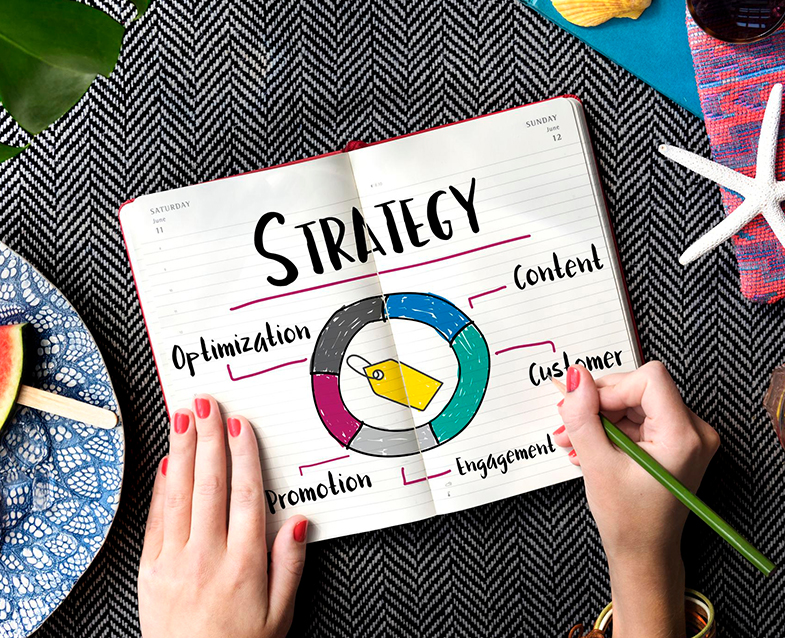
SEO vs SEM vs DSP Advertising
18Dec

SEO vs SEM vs DSP Advertising

Comparing SEO, SEM, and DSP advertising shows distinct benefits for lead generation and marketing strategy, with each offering unique advantages in search engine optimization, paid search, and programmatic ad buying.…
YouTube Analytics and Audience Retention
15Dec

YouTube Analytics and Audience Retention

YouTube analytics and audience retention are key to understanding how viewers interact with your content. By measuring key moments and retention rates, you can improve viewer engagement and build a…

Social Media Analytics and Why Your Social Media Needs a Coach for Better Engagement
05Nov

Social Media Analytics and Why Your Social Media Needs a Coach for Better Engagement

Social media analytics and expert coaching are key to boosting your brand’s growth and engagement. Learn how professional social media coaches help you interpret data, refine strategies, and make well-informed…