Why Not Results – Podcast Studio in Phoenix

The Digital Ad Playbook: Real Talk With Melcher Brothers

A candid conversation about paid ads, SEO, and what most businesses are doing wrong.

If you are trying to figure out SEO vs SEM for your business, this guide breaks it down in plain English. In this episode-style conversation, the Melcher brothers explain how paid ads, organic search, analytics, branding, remarketing, and conversion strategy work together so small businesses can make smarter digital marketing decisions.

Reviewed by: Mario Lizarraga, Founder of Why Not Results

Topic expertise: Podcast marketing, digital content strategy, paid media, SEO, and AI-assisted content systems

Last updated: March 23, 2026

Jeff Melcher

Jeff Melcher

Technical Brain

Jeff Melcher is a Google Ads specialist affiliated with Digital Agency Support. He is featured as one of the two digital marketing experts in the eBook “Google Decoded: What Every Business Owner Needs to Know About SEO, Paid Ads & AI.”

Jeff is recognized for his ability to generate leads and optimize advertising campaigns to maximize conversion efficiency. In the eBook, he shares insights into how businesses often waste money on poorly managed ads, and how strategic targeting and campaign tuning can prevent that.

He emphasizes the importance of tight keyword control, avoiding vague branding, and learning from past campaign pitfalls, like misleading keyword matches or generic business names that don't perform well in search.

Play Now

Lynn Melcher discussing digital marketing strategy, branding, and client communication

Lynn Melcher

People Person (and self-proclaimed better half)

Lynn Melcher is one half of the dynamic Melcher brothers behind Digital Agency Support and co-host of The Digital Ad Playbook. Known as the “People Person” and self-proclaimed better half, Lynn brings a relationship-driven, client-focused approach to digital marketing. His strength lies in communication, brand messaging, and making complex marketing strategies relatable and actionable for business owners. His humorous and candid style makes him stand out, offering real talk in an industry often filled with jargon and hype. Lynn's sarcastic commentary adds personality to the insights he shares, making learning both entertaining and practical.

Play Now

Google Paid Ads

Quick Answer (60 seconds)

If you want predictable growth from digital ads, start with a consistent brand message, a fast and simple conversion path, and analytics you can actually use. Paid ads (SEM) can produce data and demand faster than SEO, but they work best when SEO and paid share keywords, messaging, and audience intent. Analytics is how you spot where people drop off and what is working, but it only helps if you review it and refine over time. Budgets and timelines depend on your business model and capacity, and not every business can scale unlimited spend. The best outcomes usually happen when paid and SEO teams coordinate instead of competing, and when campaigns run long enough to collect data, test, and improve.

Key Takeaways

  • SEO builds long-term organic visibility.
  • SEM drives faster traffic and faster testing.
  • Paid ads and SEO work best when messaging and keyword strategy match.
  • Analytics helps you improve conversion paths, not just count clicks.
  • Small businesses need strategy, not just more ad spend.

Definitions and Basics

This episode references several concepts that get mixed together in real conversations. Here are the basics:

  • SEM (Search Engine Marketing): Paid digital advertising, especially paid search, but often used as shorthand for paid acquisition across platforms.
  • SEO (Search Engine Optimization): Organic visibility that typically grows over time.
  • Google Business Profile and Maps: Local presence that can appear above organic listings on mobile.
  • Remarketing: Ads shown to people who already visited your site or engaged with your brand.
  • Landing page vs website:
    • Landing page: one goal, minimal navigation, built to convert.
    • Website: broader structure with multiple pages and goals.
  • Branding and consistency: Repetition across platforms that builds recognition and trust.

Helpful internal references:

When to Use Each Option

This is the practical “which tool for which job” framework implied throughout the conversation.

Decision Guide

  • Use SEM (paid ads) when you need faster feedback and faster demand capture, especially in competitive categories.
  • Use SEO when you want a long-term asset and you can invest in content and site authority over time.
  • Use both when you want the fastest learning plus long-term stability, and you can support the combined investment.

Why paid and SEO should coordinate

  • Paid ads introduce phrases people may search later.
  • SEO can capture and compound that demand, especially when organic rankings improve.
  • When paid and SEO do not share keywords and messaging, you lose efficiency and clarity.

Where local fits

  • On mobile, local features and paid placements can appear above organic results. If you are a local business, local visibility and paid search often become more important.

Budget and Timeline Expectations

A recurring theme here is that budget, timeline, and “what you can build” are connected.

Budget reality

  • Budget determines how much data you can collect and how quickly you can learn.
  • Some businesses can scale spend because margins and capacity support it. Others have built-in limits (seats, inventory, staffing, trucks).

Timeline reality

  • Paid can start faster than SEO, but both require refinement.
  • Campaigns typically improve through testing, analytics review, and iteration, not a single setup.

What makes budget conversations productive

  • Share what you can spend sustainably.
  • Share capacity limits.
  • Share the highest-priority offer to push and why that offer matters to the business.

Implementation Steps

Use this checklist as a “digital ad playbook” starting point.
  • Lock a consistent message: one positioning statement, 2–3 proof points, and a clear offer.
  • Build a simple conversion path: reduce steps to conversion and avoid unnecessary clicks.
  • Decide the channel mix: SEM, SEO, local, and remarketing based on goals and timeline.
  • Set up analytics you will actually review: track conversions, drop-off points, and returning visitors.
  • Run long enough to learn: launch, collect data, adjust, collect more data, repeat.
  • Coordinate SEO and SEM: share keyword themes, taglines, and audience intent.
  • Add remarketing intentionally: use it to bring back interested visitors, not to annoy everyone.
  • Refine creative and messaging: replace what is not working, keep what is performing, and keep your story consistent.

Common Mistakes

  • Inconsistent messaging across platforms: posting everywhere without a unified story wastes spend and weakens trust.
  • Too many steps to buy: extra clicks and upsells can cause drop-off even when a person is ready.
  • Not reviewing analytics: if nobody watches bounce rates, time on page, and conversion paths, you cannot improve the system.
  • Treating SEO and SEM as competitors: when teams do not share info, the client loses efficiency and compounding gains.
  • Assuming every business can scale: some businesses have hard limits, so strategy should match capacity.
  • Expecting instant results: ads and SEO both require iteration, testing, and time.

FAQs

SEO is organic visibility that usually grows over time through content and authority. SEM is paid marketing, commonly paid search and broader paid acquisition. Many businesses use both because SEO compounds while SEM can deliver faster feedback and demand capture.

People buy on recognition and trust, not just on seeing an ad once. A consistent message across platforms builds brand recall and loyalty. Without consistency, you may get one-off clicks but less repeat business and weaker conversion rates.
A landing page is designed for one action and minimizes distractions. A website has multiple pages and typically multiple goals. Paid traffic often performs better when it lands on a focused page that matches the ad’s promise.
Analytics shows where people drop off and what is working, so you can refine over time. Without reviewing it, you may keep spending on friction points you could fix. Analytics helps you improve the conversion path, not just measure clicks.
Long enough to collect data and make at least one or two rounds of meaningful improvements. Paid ads can show signals faster than SEO, but both benefit from iteration. Your decision window should reflect your traffic volume and sales cycle.
Paid ads can create awareness for phrases people later search organically. SEO can capture and compound that demand over time. Sharing keyword themes and messaging typically improves overall efficiency.
Mobile layouts often place AI-style answers, paid placements, and local features above organic listings. That can push organic results further down the page. This is one reason paid and local visibility can matter more for some businesses.
Remarketing can be effective when it’s used to re-engage interested visitors with a clear next step. It becomes annoying when it is overused or irrelevant. Frequency and message control matter.
Use keyword tools and trend research to see real search behavior in your industry. Then build topics and segments around those questions. This aligns content creation with demand instead of guessing.
Not every business can scale spend because capacity may be limited by staff, seats, inventory, or production. Strategy should match what you can fulfill, and growth may require operational expansion first. In those cases, you may run more targeted campaigns instead of broad scaling.

Key Takeaways

  • Branding and consistent messaging across platforms is a common gap that wastes spend.
  • SEM can produce faster feedback, while SEO compounds over time.
  • Analytics matters only if you review it and refine the conversion path.
  • SEO and SEM should coordinate keywords, taglines, and audience intent.
  • Scaling depends on capacity, not just ad performance.

Need help deciding between SEO, SEM, or both?

Book a strategy call with Why Not Results to build a digital growth plan based on your goals, timeline, and budget. Book Your Strategy Call

Next Steps

If you want to build a consistent message and distribute it through paid ads, content, and a measurable conversion path, start here:

Book a Strategy Call: https://whynotresults.com/services/

Explore Podcast Packages: https://whynotresults.com/why-not-results-podcast-packages/

Reviewed by: WhyNotResults Editorial Team

LATEST EPISODES

SEO and Organic Social Media
05Mar

SEO and Organic Social Media

Confused by digital marketing? This guide breaks down SEO, paid search, organic social, and paid traffic. Learn when to use each channel and plan your budget.

Geofencing + AI Ad Tracking for Service Businesses (Podcast)
12Feb

Geofencing + AI Ad Tracking for Service Businesses (Podcast)

Learn how geofencing builds high-intent audiences and how AI + UTMs, GA4, and Search Console improve attribution, calls, and qualified leads.

Sales and Marketing Conversion
04Feb

Sales and Marketing Conversion

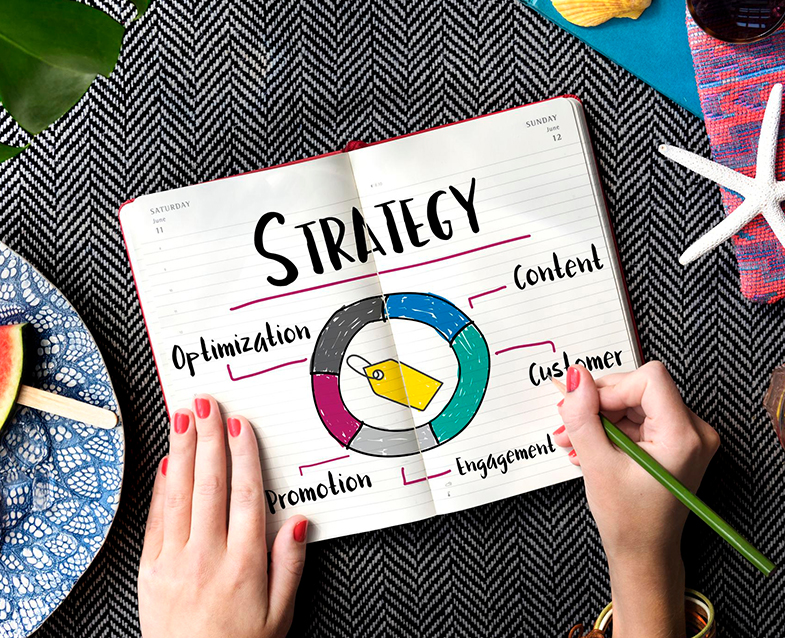
Comparing SEO, SEM, and DSP advertising shows distinct benefits for lead generation and marketing strategy, with each offering unique advantages in search engine optimization, paid search, and programmatic ad buying.…
SEO vs SEM vs DSP Advertising
18Dec

SEO vs SEM vs DSP Advertising

Comparing SEO, SEM, and DSP advertising shows distinct benefits for lead generation and marketing strategy, with each offering unique advantages in search engine optimization, paid search, and programmatic ad buying.…
YouTube Analytics and Audience Retention
15Dec

YouTube Analytics and Audience Retention

YouTube analytics and audience retention are key to understanding how viewers interact with your content. By measuring key moments and retention rates, you can improve viewer engagement and build a…
Social Media Analytics and Why Your Social Media Needs a Coach for Better Engagement
05Nov

Social Media Analytics and Why Your Social Media Needs a Coach for Better Engagement

Social media analytics and expert coaching are key to boosting your brand’s growth and engagement. Learn how professional social media coaches help you interpret data, refine strategies, and make well-informed…

Because landing pages and squeeze pages are designed for targeted actions (like lead capture or conversions), while a basic website often lacks the focus and optimization needed for effective marketing campaigns.

If you skip branding, your ads may not convert because people don’t recognize or trust your business. Branding creates the emotional connection that drives repeat sales and long-term success.

Because the first few months are about collecting data, understanding what works, and optimizing the funnel. Real performance and ROI often don’t appear until after 90+ days of refinement.

SEO (organic search) builds long-term visibility, while SEM (paid ads) delivers faster results. Using both together boosts reach and lets you dominate both paid and organic search results, especially as mobile and AI search evolve.

When your messaging varies across platforms (like Facebook vs TikTok), it confuses your audience, dilutes your brand, and reduces trust. A unified message builds familiarity and long-term loyalty.

Remarketing shows ads to users who already visited your site, keeping your brand top-of-mind and encouraging them to return and buy — often with better ROI than cold traffic campaigns.

Analytics reveal key data like bounce rates, page drop-offs, and video engagement — helping you identify where prospects fall off and adjust strategy before wasting more ad spend.

On mobile, users see AI summaries and paid ads before reaching organic results. This makes SEM more crucial for visibility, even though SEO remains vital for long-term credibility.

Ad budgets should match your ability to scale. For example, if a school has limited seats or a contractor can’t hire more crews, spending too much on leads can overwhelm capacity.

Use tools like Wistia, Google Analytics, or heatmaps to track user behavior. Look for patterns in retention, engagement, and conversions to see which content is pushing users down the funnel.